North Etiwanda Preserve, A Brief History
By Tomasz Stanek with conversation with Ron Goodman May 2025
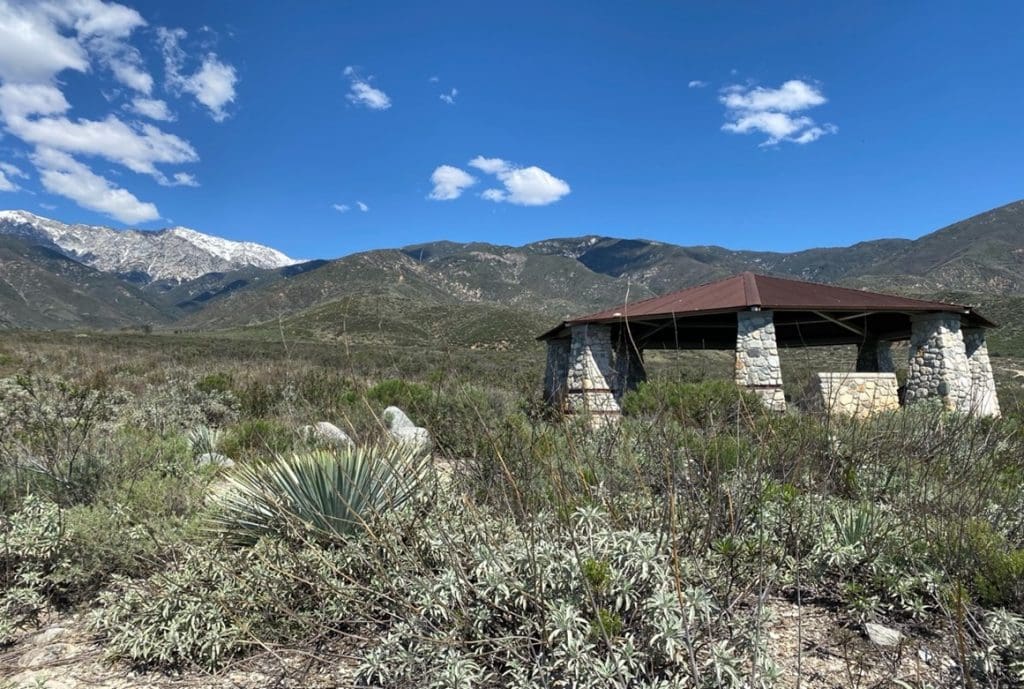
To most visitors, the North Etiwanda Preserve (NEP) is one of the best hidden local hikes in San Bernardino County covering the expanse of about 1200 acres of riversidian alluvial fan sage scrub plant community in the foothills of Rancho Cucamonga. While the area may seem like an accessible park, the mission and the regulations of the NEP are strict and exclusive of a typical recreational area. The NEP management plan calls for an orchestrated effort in preservation, stewardship, education, and research in coordination with local tribes to facilitate and to ease access for ceremonies, and culturally responsible collection of white sage. The NEP management retains rights of closure of the preserve for restorative work to its ecosystem, including limiting pedestrian traffic for extended periods of time. The difference between public parks and their human-centered approach contrasts with the preserve’s ecosystem-centered approach.
The preserve’s history coalesces early human habitation by the indigenous Tongva, Serrano, Cahuilla, Luiseño, and other tribes, as well as the early settlers, who attempted to use this land in their hopes of dry cultivation of grapes and citrus in the 19th and 20th centuries. According to California citrus industry collection: 1891-1973 at special collections at Honnold Mudd Library created by E.E. Evans,
Given the rapid expansion of the citrus industry, Sunkist Growers Association was formed to create a cooperative platform for various growers to produce, market and sell fruit and other citrus related products. Included in this collection [industry] are three prominent growers in southern California: Claremont College Heights, Etiwanda and Covina Orange Growers Association. In 1885 the new Southern Pacific Railroad service was opened, which led to the creation of packing houses and an increase in acres dedicated to citrus production in Claremont, Covina and Etiwanda. From then on, demand for citrus continued to increase. College Heights had “between three and four thousand acres” of lemons and oranges by 1950 and Etiwanda nearly doubled their acreage and were owners of Sunkist Co. until 1947.[1]
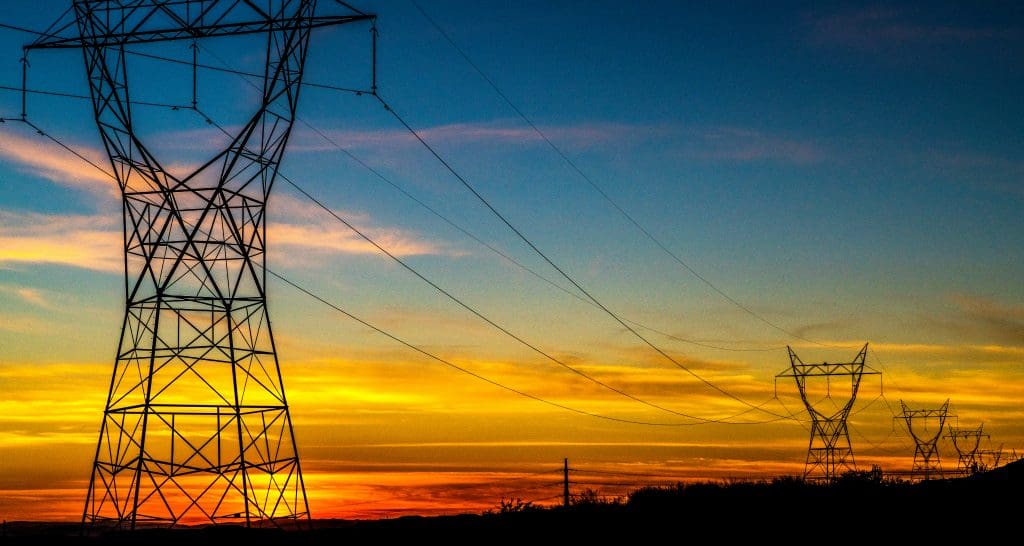
Through a myriad of economic busts and boons, the development of Southern California exemplified farming and its needs for water. Chaffey brothers along with other settlers to the area of Cucamonga created model irrigation colonies, which supplied a steady, reliable stream of water to the entire basin of farming communities. Not surprisingly, the abundant local water sources, prompted the United States government to select Ontario as a model of American industrious irrigation usage. The late 1880s surface scars of extensive irrigation ducts, once wooden and later made from concrete and steel, are still visible in the landscape of the NEP. While the area may seem untouched and virgin to an untrained eye, the NEP today is a testament of long-term human habitation, terra forming, foraging, and farming. The parallel lines of stone berms were constructed in the late 1800s to retain water and aid early settlers in their fight against the water and soil erosion. The 1930s saw the area as a perfect location for CCC camps of the New Deal, with extensive barrack presence of ‘white’ and ‘black’ camps between Haven and Day Creek boulevards’ lineation.[2] The post-war economic growth of Southern California resulted in the suburban sprawl, as witnessed today, reshuffled water politics to ensure greater consumption and sharing. The landscape of a future NEP was dotted with water lines, access and dirt roads, and the USFS fire suppression stations. It is not surprising, that the NEP topography and trails network contemporaneously mimic the vehicular utility dirt roads of the past. In fact, none of the paths in the preserve are natural nor made for pedestrian usage! The NEP, therefore, is a constantly changing environment with humans as part of its ecology along with the exclusive plant and wildlife, which developed its niche in this fire-prone zone. Despite the fire suppression measures instilled in Western culture, fire is and was, a rejuvenating and renewal force to most of California plant communities. All endemic plant life in the NEP and surrounding areas carry the signature of fire cohabitation and specialization, which allowed this type of ecology to survive and thrive through millennia of low-intensity fires. The fires, also part of this ecological system, supplied soil nutrients and cyclically changed the tapestry of biodiversity in the local ecology.
During the 20th century development, California lost an estimated number of 75-90% of all coastal sage scrub plant communities. The North Etiwanda Preserve is one of the last concentrations of alluvial and coastal sages, which is now found in small areas from Santa Barbara County south into Baja California, Mexico. Before the establishment of the preserve, the area was an open ground to all sorts of activities. A long-time resident in the area, and a senior NEP ranger, Ron Goodman, described the pre-NEP area as “a dove-hunting and a dirt bike heaven for mostly local residents.”[3] The local farmers also tended to the sheep that were brought in their thousands to the grounds of the present day preserve: “you know you were living in the rural and far-removed area when you see sheep free ranging in these hills.” While “we grew up in Upland, all we saw were the large sections of orange and citrus groves, with wilderness beyond, which was way far, … the roads weren’t really built north of Foothill Blvd., and only farming dirt roads were crisscrossing the orange fields with occasional irrigation ditch running north to south…the area where the NEP is now located was simply inaccessible to the public…”[4] While the active US Forest Fire Station ‘37A’ was maintained and manned, and the urban sprawl development of new neighborhoods and the Victoria Gardens Mall north of Foothill Boulevard was planned, and at some point the city of Rancho Cucamonga envisioned an 18-hole golf course on the present grounds of the preserve.
“The golf course was perhaps a vision of some private developer that thankfully did not materialize…[t]he Cunningham family, one of at least nine property and land owners near the preserve, stirred a lot of controversy around the Grand Prix Fire of October 2003, claiming that the fire could have been put out much faster, inevitably contributed the most to preserving the area for the local community by negotiating and bargaining the post-fire recovery with the county and the city of Rancho Cucamonga.”[5]
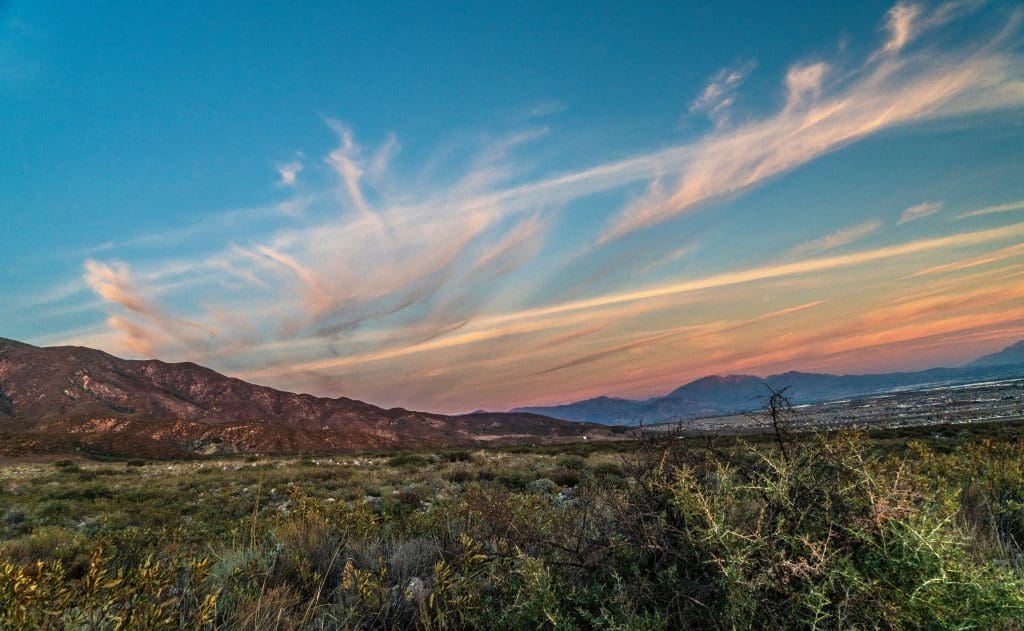
The North Etiwanda Preserve (NEP) was established on February 10th,1998 to mitigate the construction and environmental impacts in the development of 210 freeway, but it was not opened to the public until October 3rd, 2009.[6] According to Ron Goodman, “before its official opening to the public, the NEP was ‘really an outback’ to the locals who mostly lived south of the Foothill Boulevard.” With the effort of San Bernardino County Government and other partnered agencies (USFS, Cucamonga Water District, California State Parks, USFWL, City of Rancho Cucamonga, and others) the preserve came to exemplify the conservation efforts of alluvial sages and coastal ecology and the surrounding species of fauna and flora. The signage and monuments were built on the already existing footprints of utility traffic creating a 3.6-mile-long loop between the flood control works on the western side and the Etiwanda Creek in the East. According to Ron Goodman “The fire that devastated the area in 2003-2004 put a hold on many improvements to trail and scape developments in the preserve-designated area, otherwise the NEP would have likely opened earlier to the public, and surely before 2009.” The steady and consistent stewardship, protection, and improvements led to the growth of visitors to the preserve in the early 2000s and onwards. Ron Goodman recalls that “visits to the preserve went of the charts during COVID epidemic with Los Angeles County closing its parks to the public, the NEP became one of the few open hiking areas in the greater Inland Empire…people desired open spaces then and even now hikers flock to our preserve since there aren’t too many equal alternatives beyond Claremont Wilderness and the Chino Hills.”[7]
All species of wildlife in the preserve are protected by the 1970 California Endangered Species Act. The NEP is home to listed endangered species that may occur on the Preserve include Bell’s vireo, California gnatcatcher, the southwestern willow flycatcher, and San Bernardino Merriam’s kangaroo rat. Sensitive species include Los Angeles pocket mouse (Perognathus longimembris brevinasus), San Diego black-tailed jackrabbit (Lepus californicus bennettii), American badger (Taxidea taxus), coastal cactus wren (Campylorhynchus brunneicapillus), San Diego horned lizard (Phrynosoma coronatum blainvillii), coastal western whiptail (Cnemidophorus tigris multiscutatus), Southern sagebrush lizard (Sceloporus graciosus vandenburgianus), San Bernardino ring-necked snake (Diadophis punctatus modestus), coastal rosy boa (Lichanura orcutti), Coast patch-nosed snake (Salvadora hexalepis virgultea), mountain yellow-legged frog (Rana muscosa), two-striped garter snake (Thamnophis hammondii), Parry’s spine flower(Chorizanthe parryi S. Watson var. parryi), and Plummer’s mariposa lily (Calochortus plummerae), and many other endemic or migrating species.[8] The 2016 (DOI) ruling allowed members of the native nations to harvest certain culturally-important plants on the grounds of the National Park Service (NPS) system.[9] According to Leopold,
Shortly after the ruling, the Tohono O’odham Nation requested to continue harvesting saguaro fruit (Carnegiea gigantea) and cholla buds (Cylindropuntia acan-thocarpa) in alignment with their traditional practices. Saguaro fruit can be boiled down to make concentrated syrup, fermented to make saguaro wine, or the seeds and fibers from the fruits can be spread onto drying frames to make fruit leather. Cholla buds can be eaten directly after they are harvested and blanched to remove thorns and are often pickled or dehydrated for storage and later use. The buds are eaten as a stand-alone food or can serve as a base ingredient in recipes for various traditional dishes. These activities have occurred for millennia within the Sonoran Desert, including on ancestral lands now managed by Saguaro National Park.[10]
The North Etiwanda Preserve is not part of the NPS system, but the NEP is open to permits for native cultural practices connected to culturally responsive harvesting of the coastal sages. The NEP is a special district within San Bernardino County Park system, tasked with protection, conservation, and stewardship of the Riparian Alluvial Fan Sage Scrub plant community. Despite the efforts of protection and countless hours of volunteer work in the preserve, the area is treated by the outside visitors as if it was a playground for recreational dog-walking and a weekend for a “picnic in the park.” According to Ron Goodman, “it is not uncommon to see numerous dogs, bikes, and even horses on the trails of NEP despite posted signs in all access points to the preserve…it is also not surprising to see the misinformation online, e.g., All Trails app designates NEP as a dog-friendly place with daily closure at 8 pm, which is not true”[11] In addition to weekend pedestrian overcrowding in the preserve, NEP experiences episodes of outright night poaching by organized groups focused on the white sage (Salvia apiana in the mint family Lamiaceae) illegal collection. The world marketplace represented by the Amazon, Walmart, giftshops, and alike, advertise cleansing and spiritual properties of dry sage bundles and smudges, which can be commonly purchased. The global demand for white sage is limitless for such relatively small natural distribution of white sage in the wild. Not surprisingly, the preserve is a constant target of night poaching! According to Ron Goodman “just in 2018, four individuals were arrested for attempting to drive off with 400 lbs. of poached white sage from the preserve…, on other occasions local residents and volunteers place calls to Sheriff’s Office if they see poaching after hours…” While gates were installed to close off the vehicular access points to the NEP sage fields, the poaching operations did not relent. The availability of dried white sage products for purchase is prevalent. “One of our rangers, [Ron Goodman states] while traveling, always makes an effort to seek out white sage in the gift shops and finds it almost always available from $6 to $18 per bundle from Arizona to Washington, DC.”[12] The NEP area is considered sacred to the Gabrielino-Shoshoni Nation and Serrano people and is currently being used for cultural purposes. Goodman states that “the indigenous tribes are very respectful in collecting sage, while presenting an offering in form of tobacco, they take very little for their needs. They never accept ‘poached’ or recovered white sage because it was never collected responsibly, and therefore, carries a bad energy.” If there is any lesson to all the outside buyers of sage, it is important to mention that all that sage was likely stolen, poached, or obtained with ‘bad’ energy, therefore, not that spiritually useful!
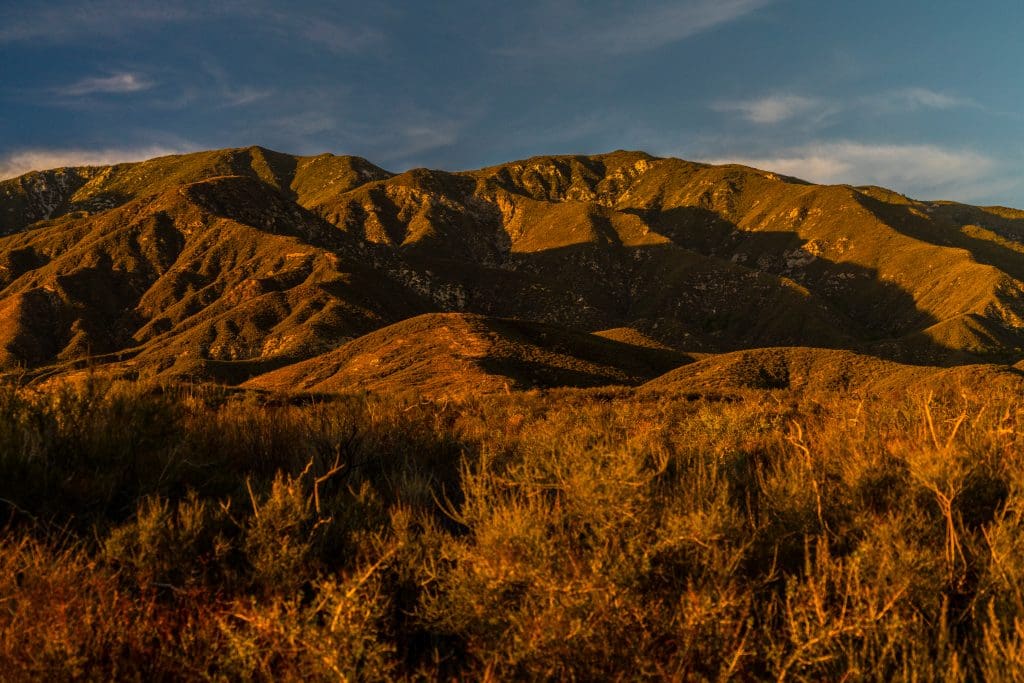
Local efforts of indigenous leaders, Barbara Drake and Craig Torres of Tongva Nation, as well as Naomi Fraga of California Botanic Garden with support of others petitioned California Sen. James Ramos in 2020 to generate legal frameworks for white sage protection at NEP and the larger California.[13] A letter was drafted on Jul 20, 2020 to address what is happening to white sage (Salvia apiana) at the NEP (large and organized illegal poaching) and other sites in California. Naomi Fraga called for designating the white sage a ‘California Treasure’ as protection against illegal poaching, harvesting, and trafficking. Unfortunately, these efforts of legal protection for California white sage and the indigenous communities were not pursued by Sen. James Ramos as of writing this narrative in 2025. According to Ron Goodman, “poachers attempt to and break locks on the NEP access gates to gain access to the preserve almost weekly and there is really nobody in their way, physically and legally, to stop the illegal poaching…and most of these illegal activities occur during the night.” The problem of securing the NEP from outside incursions and poaching involves not just locks, but an active enforcement, education, and inter-agency cooperation. According to Goodman, “I have not seen a patrolling USFS law enforcement ranger, a San Bernardino County Sheriff, a Fish and Wildlife officer, or any of our partnering agencies in the preserve since 2013… we are completely on our own and on the good will of the community”[14] Unlike the California State Parks who employ their own law enforcement officers around the clock at their parks, the NEP relies on ‘911’ to report any infractions, violations, or vandalism. Goodman continues “… people do not behave the same way in the preserve as they do in the California State Parks and this is something we have to deal with on the everyday basis.”[15]
The general public needs to understand that the NEP is a jewel of conservancy, stewardship, and preservation of rare species and landscapes. While conveniently located adjacent to the growing suburban neighborhoods, it is still a wilderness, and it will remain as such for a long time. “We do not entertain requests of wildlife removal (e.g. rattlesnakes or wild bees) for the convenience of the hiking public. We prioritize our fauna and flora, not the convenience of visitors to this small refuge.”[16] The bees, for example, are part of the NEP landscape fabric, and healthy addition to the plant and animal ecosystem. According to Goodman, “People don’t get how significant that is…people don’t realize that we see deer, bobcats, coyotes, and other species on a daily basis… yards away from the gate or parking lot, so the concept works!”
Parts of the NEP mission, tie its past, present, and future to its educational purpose of sharing and knowing. The local Etiwanda school district, and the closest geographically to the preserve, is known for its high academic standing earning itself numerous state awards. Ron Goodman noted that public school participation in the discovery tours of the NEP became rare, and nonexistent in the past three years. “I realize that school prioritizes its activities and rewards kids with field trips to the museums, playgrounds, and farms, but it would be so special for kids to learn basics of geology, botany, and climate if they just incorporated the NEP in their curricula.”[17] In the past three years, the NEP hosted numerous university research groups from Chaffey, Pomona, USC, and CSUSB, as well as private charter schools, but the Etiwanda school district somehow avoided their own backyard preserve. The NEP was also featured in research projects hosted by southern California universities. Some of the projects measured seismic activity of the nearby San Andreas fault line, the DNA genealogy among local coyote packs, various botanical projects, and even MA and Ph.D. student theses and dissertations.
All rangers at the preserve have high hopes for the future of this special place, especially the budgetary help, that could improve and preserve the NEP from its parking lot surface and erosion control to new trail signage, and the general mobility and security needs.
References
[1] DOI. (2016). Gathering of certain plants or plant parts by Federally recognized Indian Tribes for Traditional Purposes. Federal Register, 81(133), 45024–45039. Available at: https://www.federalregister.gov/documents/2016/07/12/2016- 16434/gathering- of- certain- plants- or-plant-parts- by- federally- recognized- indian-tribes-for-traditional
Evans E. E., and R.H. Verity, California citrus industry collection: 1891-1973, Honnold Mudd Library, special collections, Archival Material, H.Mss.1097
Goodman, Ron (NEP senior ranger) in interview with author Tomasz Stanek, May 8-9, 2025.
Leopold, Susan and William A. Chioffi. “Insights from around the World.” In Socio-Ecological Systems and Decoloniality: Convergence of Indigenous and Western Knowledge, 263–74, 2023.
[1] E.E. Evans and R.H. Verity, California citrus industry collection: 1891-1973, Honnold Mudd Library, special collections, Archival Material, H.Mss.1097
[2] Ron Goodman (NEP senior ranger) in discussion with the author, May 8-9, 2025.
[3] Ron Goodman (NEP senior ranger) in discussion with the author, May 2025.
[4] Ron Goodman (NEP senior ranger) in discussion with the author, May 8-9, 2025.
[5] Ron Goodman (NEP senior ranger) in discussion with the author, May 8-9, 2025.
[6] Ron Goodman (NEP senior ranger) in discussion with the author, May 2025.
[7] Ron Goodman (NEP senior ranger) in discussion with the author, May 2025.
[8] Susan Leopold and William A. Chioffi. “Insights from around the World.” In Socio-Ecological Systems and Decoloniality: Convergence of Indigenous and Western Knowledge, 263–74, 2023.
[9] DOI. (2016). Gathering of certain plants or plant parts by Federally recognized Indian Tribes for Traditional Purposes. Federal Register, 81(133), 45024–45039. Available at: https://www.federalregister.gov/documents/2016/07/12/2016- 16434/gathering- of- certain- plants- or-plant-parts- by- federally- recognized- indian- tribes- for- traditional
[10] Susan Leopold and William A. Chioffi, “Insights from around the World,” 264.
[11] Ron Goodman (NEP senior ranger) in discussion with the author, May 2025.
[12] Ron Goodman (NEP senior ranger) in discussion with the author, May 2025.
[13] Susan Leopold and William A. Chioffi, “Insights from around the World,” 269.
[14] Ron Goodman (NEP senior ranger) in discussion with the author, May 2025.
[15] Ron Goodman (NEP senior ranger) in discussion with the author, May 2025.
[16] Ron Goodman (NEP senior ranger) in discussion with the author, May 2025.
[17] Ron Goodman (NEP senior ranger) in discussion with the author, May 2025.